
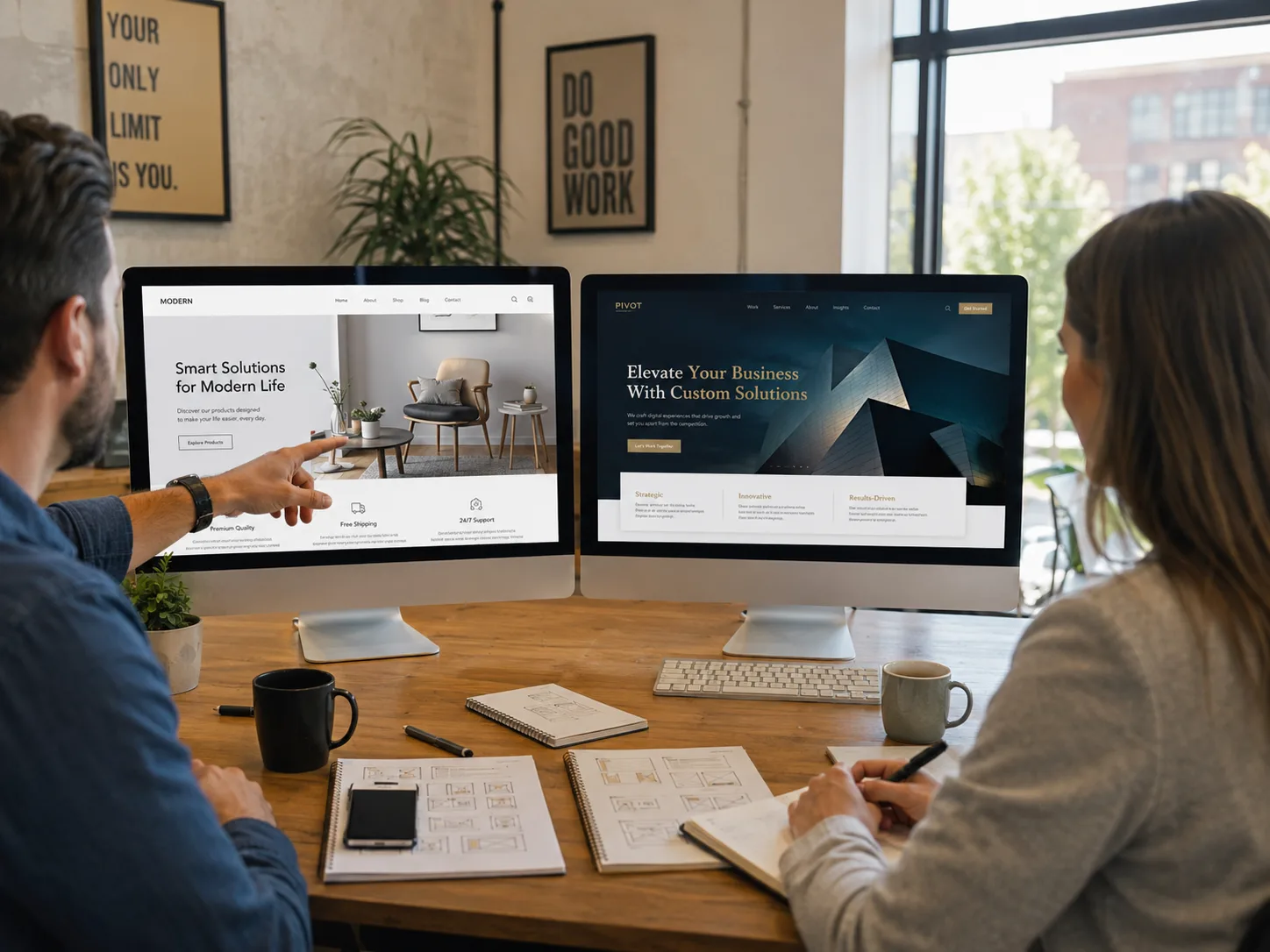
Custom Web Design vs Pre-Built Templates: Which Fits Your Business
Choosing between a custom and a template website is an important decision. It influences everything from visual design and user experience to overall business performance.
Templates are quick, affordable, and a good starting point. But as your business grows, you start running into walls, including design elements you can’t change and features you can’t add. On the contrary, custom web design offers greater flexibility and scalability, but it typically requires a larger upfront investment and a longer development timeline.
That’s exactly what this article breaks down. By the end, you’ll know which option actually fits where your business is right now, and where it’s headed.
Custom vs. Template Website: What’s the Real Difference?
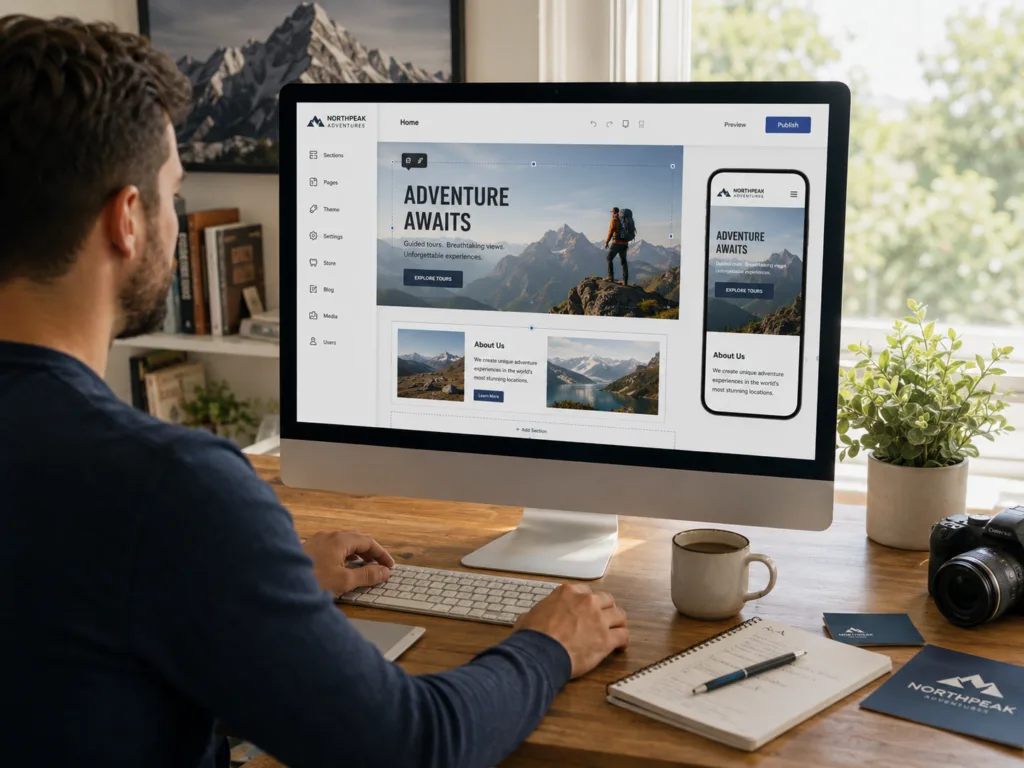
At the most basic level, a custom versus template website comes down to one thing: control. A template website pulls from a library of pre-made designs that thousands of other businesses are already using.
On the other hand, a custom website is built specifically around your business, your audience, and your goals. Both options can get you online. But what they offer beyond that is pretty different.
Here’s a closer look at what each one actually gives you.
What a Template Website Actually Gives You
The best part about template websites is that you can get a decent-looking site live in just a few hours. Most builders give you attractive templates with drag-and-drop tools that require zero coding knowledge. For small projects, that kind of quick setup is honestly hard to beat.
On top of that, Basic features like contact forms, image galleries, and mobile-friendly layouts come built right in. As a result, Builder features cover the essentials pretty well for simple websites.
The trade-off is that customization options are limited once you outgrow those defaults.
What You Get With a Custom Website
Custom websites are designed around the functionality, customer journey, and growth plans your business requires. Here, web designers create custom designs that reflect exactly who you are. That helps to create a stronger first impression, making visitors more likely to trust your business and remember your brand.
Custom-built websites also support advanced features and functionality you won’t find in a standard builder. You own every line of custom code, with no platform restrictions holding you back. For growing businesses, that kind of control makes it easier to scale.
Can Your Own Website Grow With Your Business?

In fact, 81% of customers prefer companies that offer personalized experiences. That statistic alone shows why businesses are increasingly looking beyond one-size-fits-all website solutions. In that case, Flexibility helps businesses adapt and stay competitive as their needs evolve
The problem is, not every website is built to grow with you. Template platforms work great at the start, but they can quickly hit a ceiling when your needs get more specific. Your own website should work for you at every stage, instead of just the early ones.
Growth often brings new requirements that weren’t part of the plan when your website first launched. You may need advanced booking tools, customer portals, CRM integrations, or other specialized features.
That’s why it’s worth looking beyond the default features.
Customization Options and Builder Features to Know
Most website builder platforms give you enough to get a small business started without spending much. Tools like the GoDaddy website builder and Squarespace offer clean, ready-to-use layouts.
The issue comes when you need more than the standard builder features. Custom development lets you plug in specific tools and workflows that templates won’t be able to support.
With that flexibility comes the opportunity to focus on the features that matter most, saving your business time and cost. After all, not every tool a builder offers is something you’ll actually use.
Advanced Features vs. Drag and Drop: Which Fits Your Needs?
A drag-and-drop editor works well for simple websites and basic landing page setups. But once your needs grow, those tools start showing their limits.
So, complex websites with e-commerce functionality need a proper custom build. Advanced features like multi-currency support and CRM connections aren’t something a drag-and-drop editor can handle well.
Worth Noting: Small businesses planning to scale should think carefully. The right choice now saves a lot of headaches down the road.
E-Commerce, Key Features, and Third-Party Integrations
Template-based e-commerce sites often come with rigid third-party apps and limited integration options. You get what the platform supports, and not much else. For many businesses, that ceiling shows up sooner than expected.
Custom e-commerce websites connect third-party services through tailored API setups that fit your specific needs. Custom sites support advanced security layers, secure payment gateways, and compliance with standards like PCI-DSS. That goes a long way in building real customer trust.
The customer experience on a custom site also tends to be noticeably better. Key features like personalized recommendations and responsive designs all come together in a way that most template sites just can’t match.

AI Tools, Custom Domain, and Long-Term Cost Efficiency
Most business owners don’t realize how much they’re spending on platform fees, plug-ins, and workarounds until they sit down and add it all up. A custom build costs more upfront, no question. But the long-term picture looks pretty different.
Here’s a quick comparison to put things in perspective:
| Features | Template Website | Custom Website |
| Monthly fees | Ongoing platform costs | One-time build cost |
| AI tools | Basic built-in automation | Tailored to your workflow |
| Custom domain name | Often included as an add-on | Fully owned and controlled |
| Security | Platform-level only | Advanced, business-specific |
| Frequent updates | Often needed | Built to your specific needs |
| SEO control | Limited | Full control over every page |
Web hosting, security, and cost all work differently with a custom build. But for businesses focused on long-term digital presence and growth, the numbers tend to work out in their favor.
Your Next Step Toward a Website That Actually Works for You
Now that we’ve covered the key differences, features, and costs, the answer comes down to where your business stands today. Template websites are a solid starting point for simple websites and tight budgets. But if you’re serious about growth, a custom build gives you the room to get there.
Local businesses in Westport and across Connecticut are making this shift more and more. A stronger web presence helps you reach potential customers who are already searching for your services. Better yet, a site built around your goals converts those visitors into actual sales.
At Westport Osprey, we build custom websites that work as hard as you do. Our team of web designers knows exactly what businesses in this area need to stand out online.
Reach out today and let’s talk about what the right website can do for you.
Leave a Reply