
How Web Design Influences Customer Trust Before a Conversation Begins
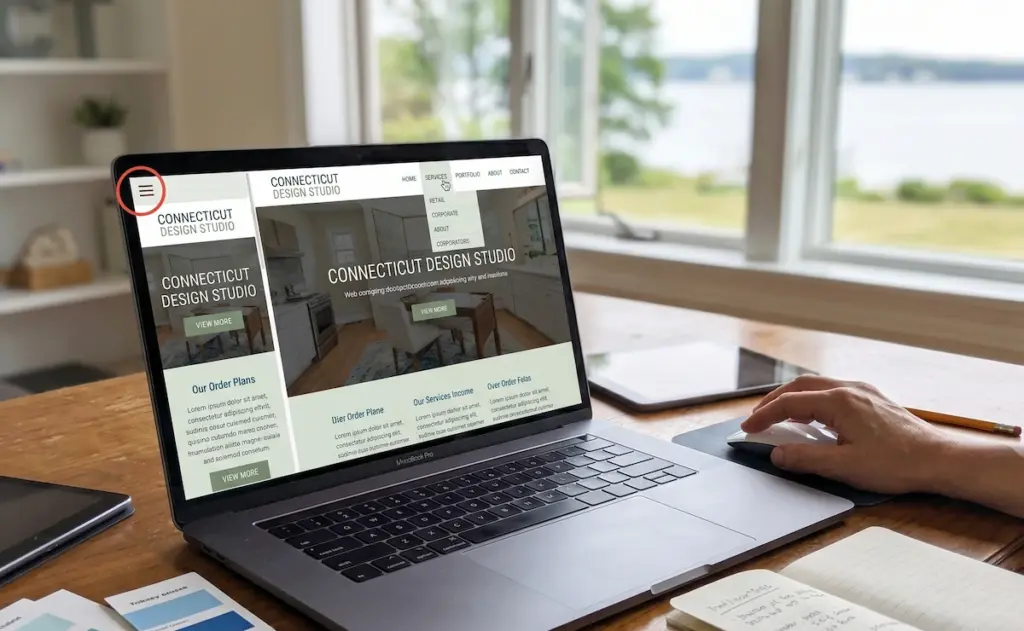
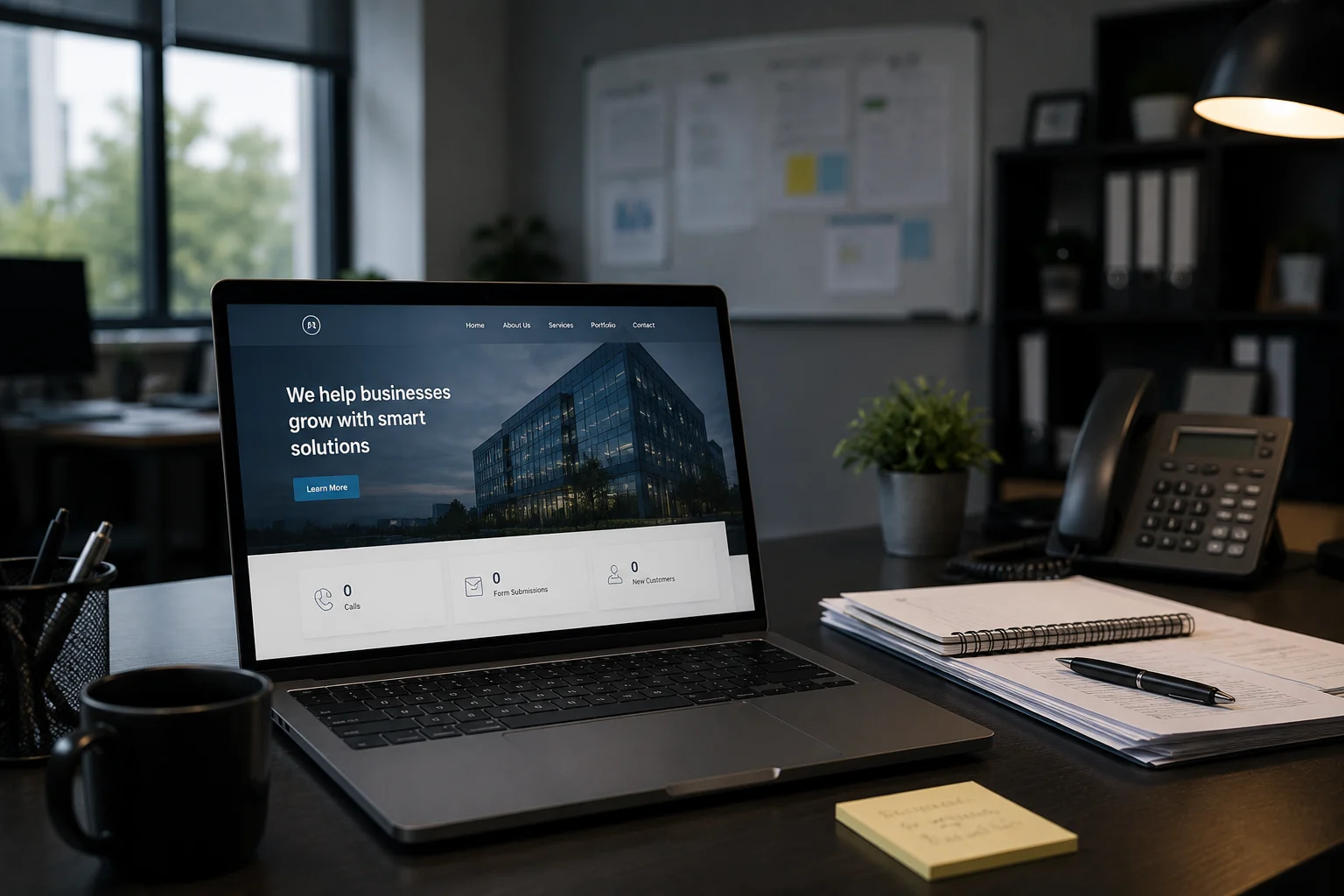
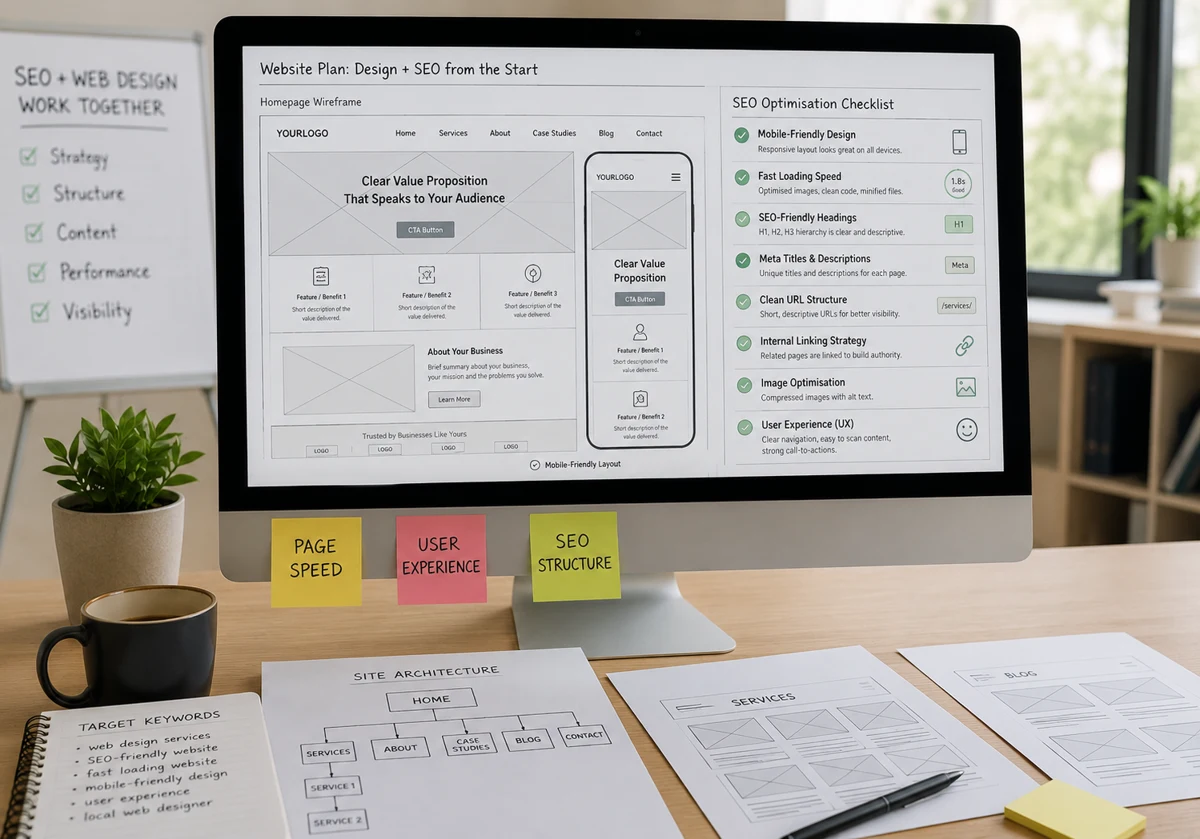
Web design influences customer trust by sending visual signals the moment someone lands on your page. Your layout, colors, and site design all play a role in that first impression. And users pick up on every one of those signals before they read a single word.
And when those signals are off? People leave and don’t look back. You lose that potential customer, and we see this all the time with small businesses online.
In this article, we cover the web design psychology, website trust signals, and design choices that build real credibility. Stick around. What you learn here could change how your customers see you the moment they land on your page.
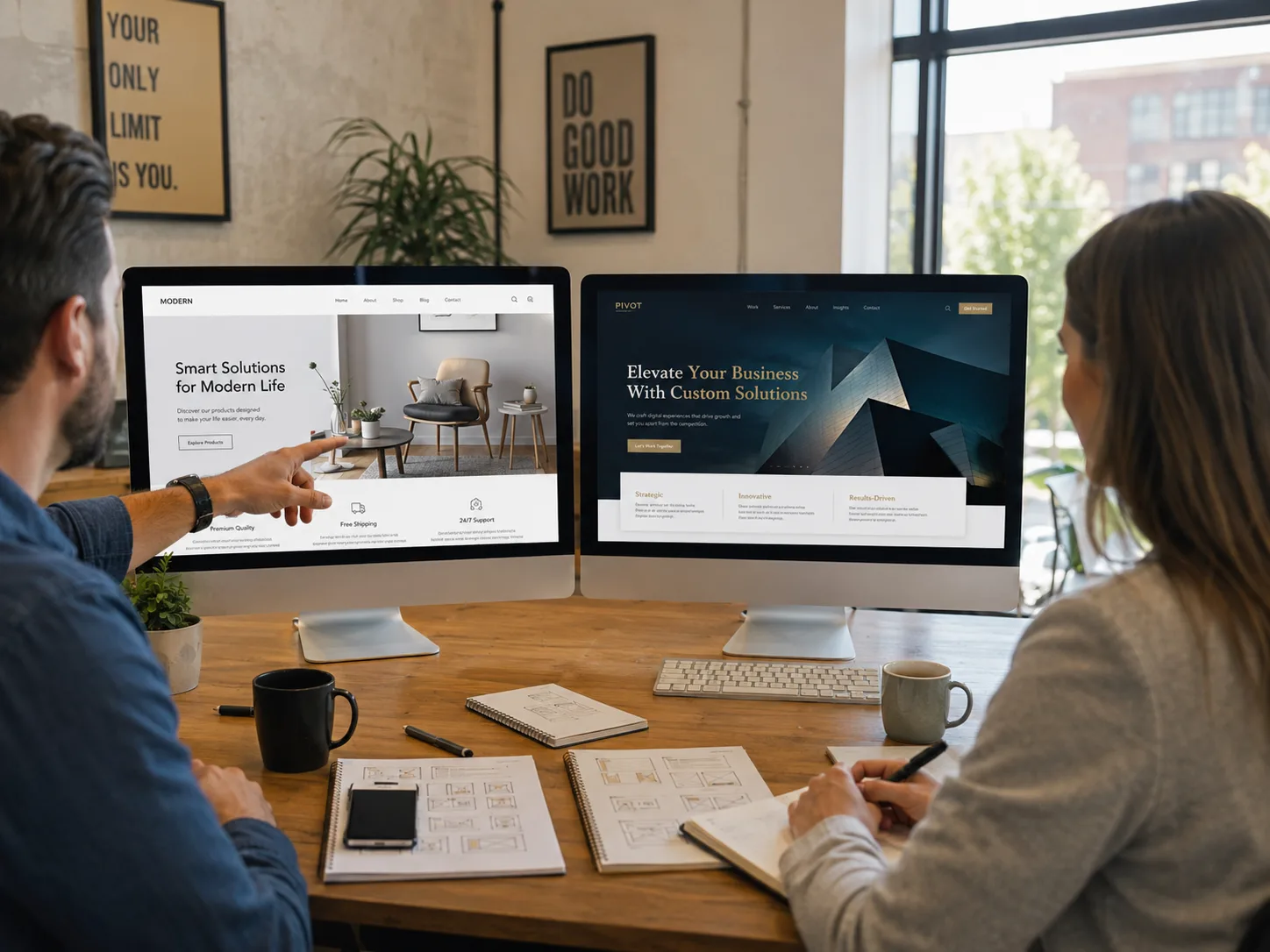
Your Website Has About 50 Milliseconds to Make a Good Impression
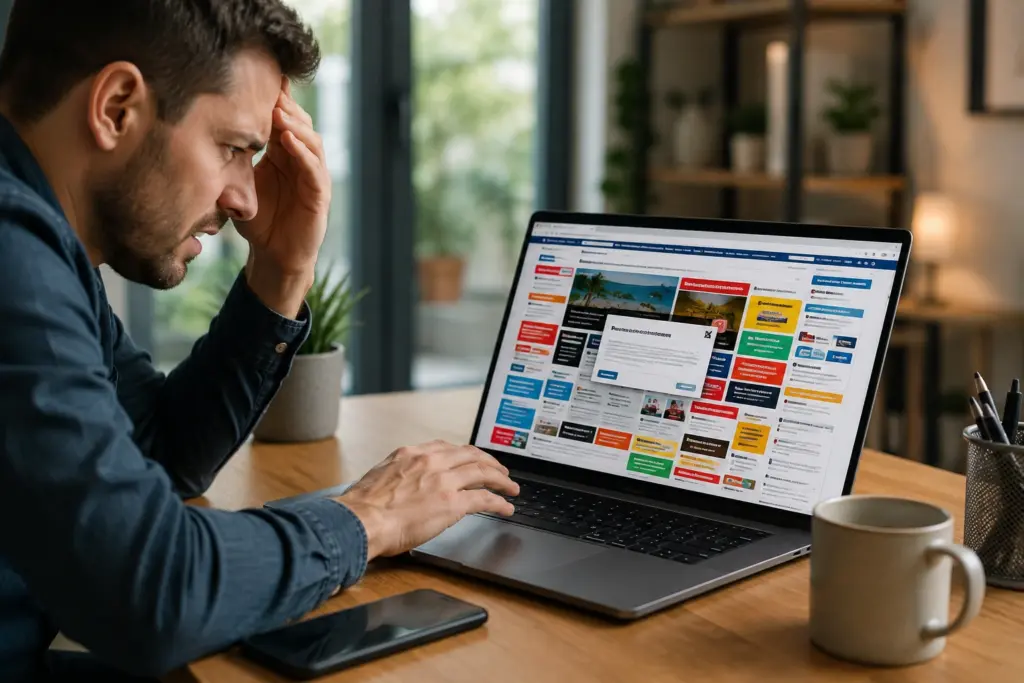
Judging a website in 50 milliseconds is like reading someone’s body language before they speak. You haven’t heard a word yet, and you’ve already formed an opinion. This is how quickly users form an opinion about your business website (no, they aren’t reading your homepage copy first).
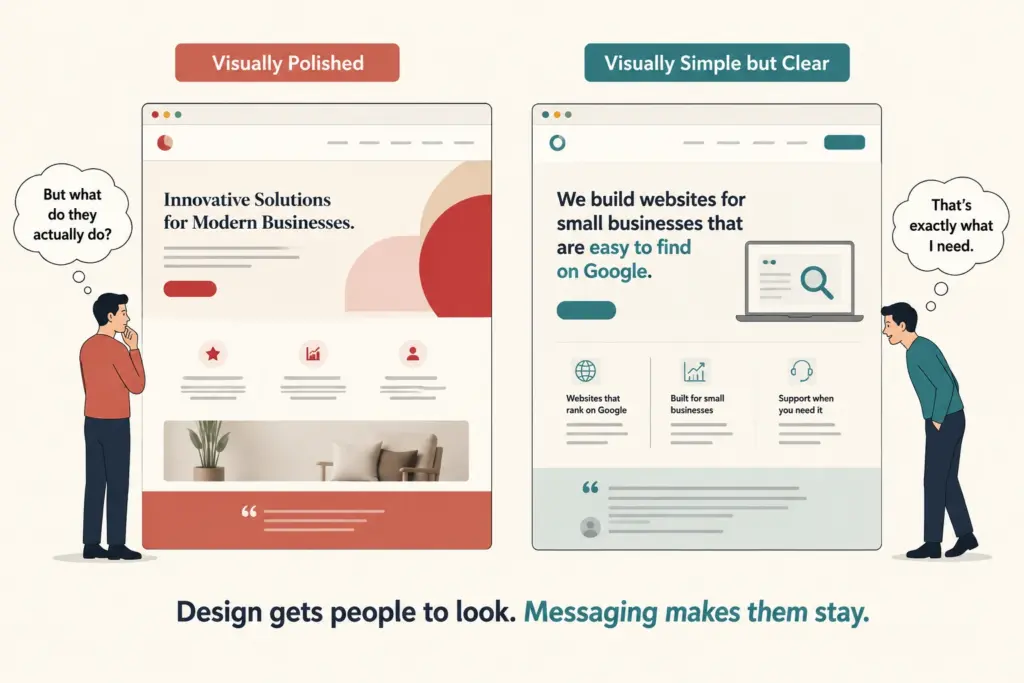
In fact, Google’s own research confirms that people prefer simple, familiar designs over complex ones. So if your homepage feels overwhelming or outdated, users won’t stay around to find out what you offer. A poor first impression pushes your bounce rate higher, and those visitors rarely come back.
Visual details in your design drive that snap judgment users make. More often than not, those details are the difference between a visitor who stays and one who leaves.
How Web Design Psychology Determines the Way Users Behave on Your Site
Web design psychology influences user behavior through specific visual choices. Colors, layout, and white space all send signals that people respond to emotionally.
Out of all the important factors in web design, colors and layout structure are the two design elements your users respond to the most.
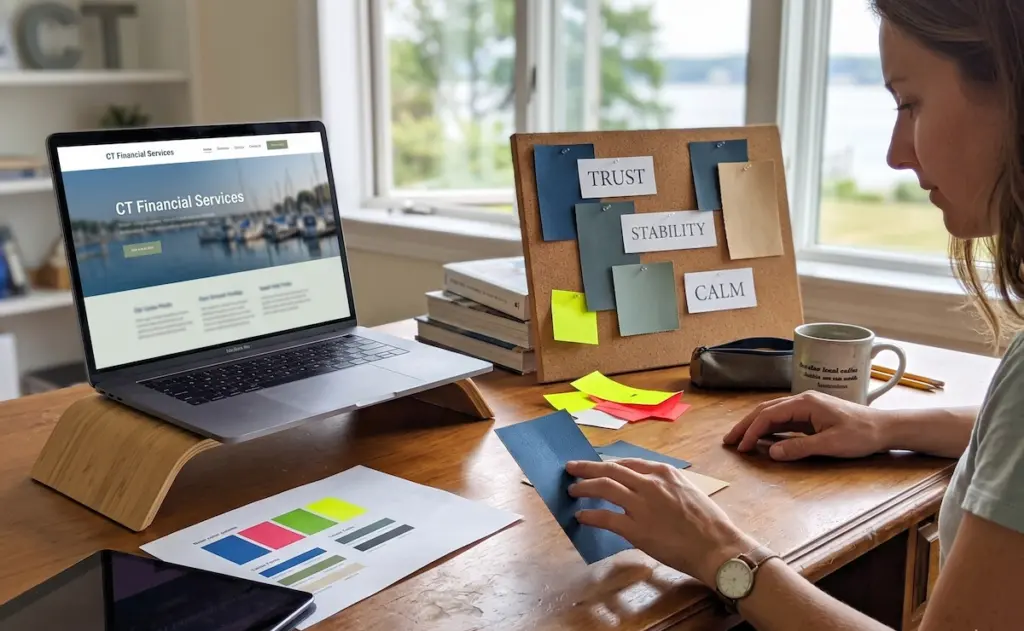
Colors Signal Credibility Before Words Do
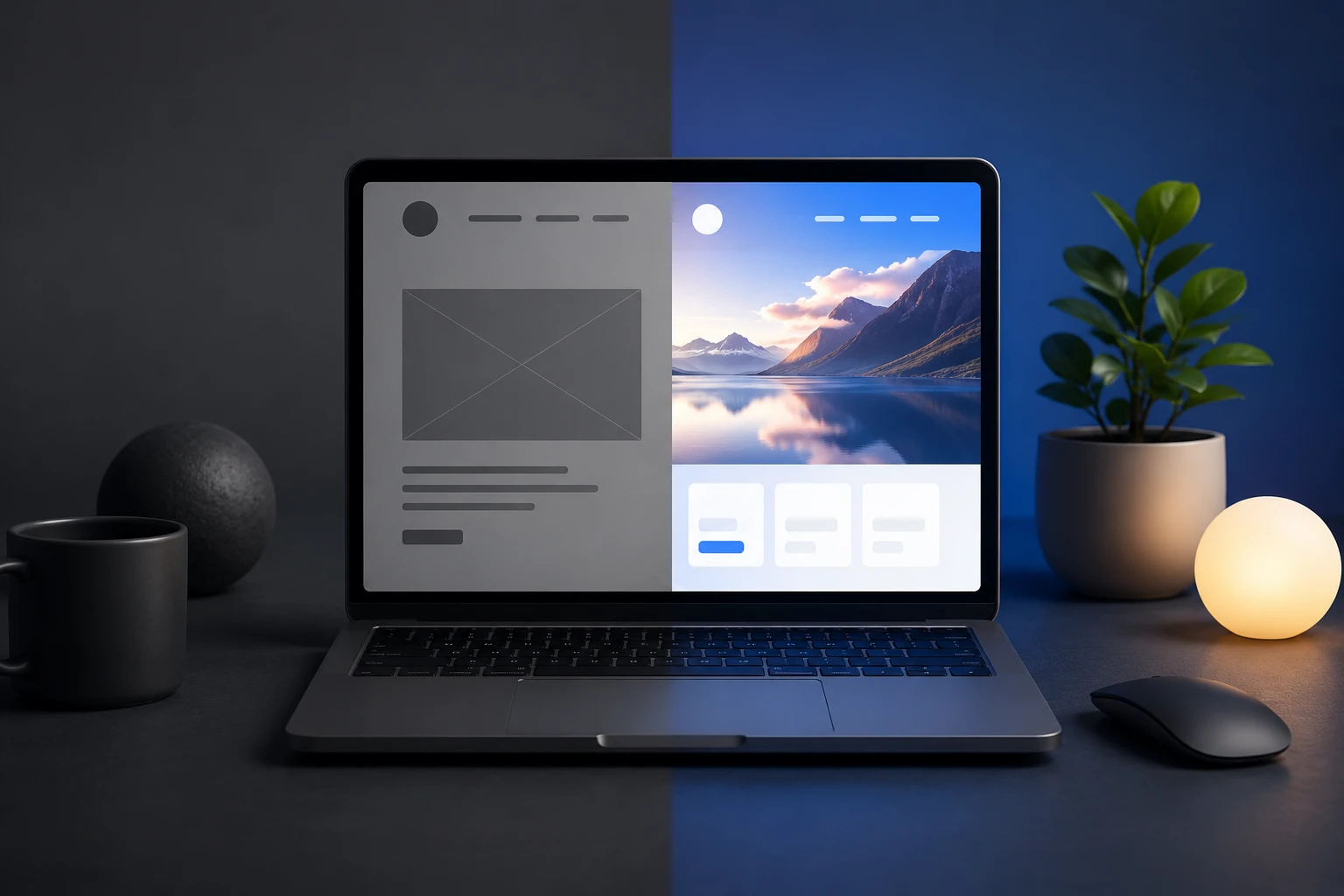
Colors make your site look nice and set the emotional tone for your entire page. For instance, blues and greens signal trust, but reds and oranges push urgency. People respond to these cues on instinct. So if your color choices feel inconsistent or random, visitors won’t feel confident enough to stay.
Visual Hierarchy Decides What Users See First
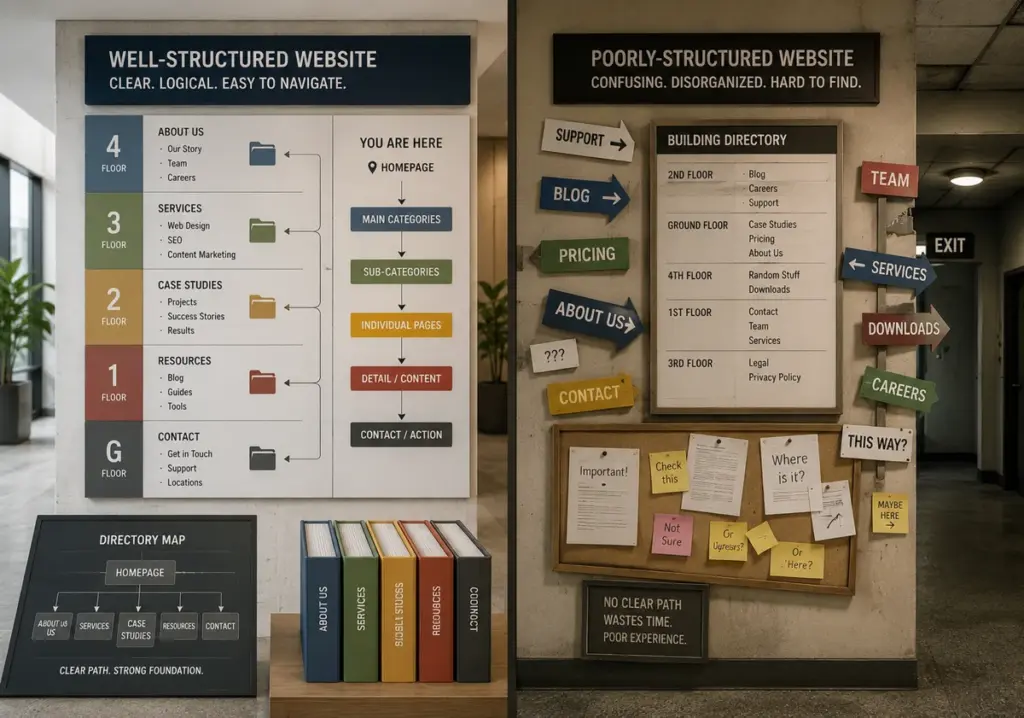
Think of your page layout as a road map. Without clear signs, users get lost and leave. Visual hierarchy solves this by directing the eye from one element to the next in a logical order. And when users can follow that path without thinking, they interact with your page more and are more likely to take action.
We’ve seen pages with great offers lose customers simply because nothing told users where to look next.
The Trust Signals People Notice Before They Read Anything
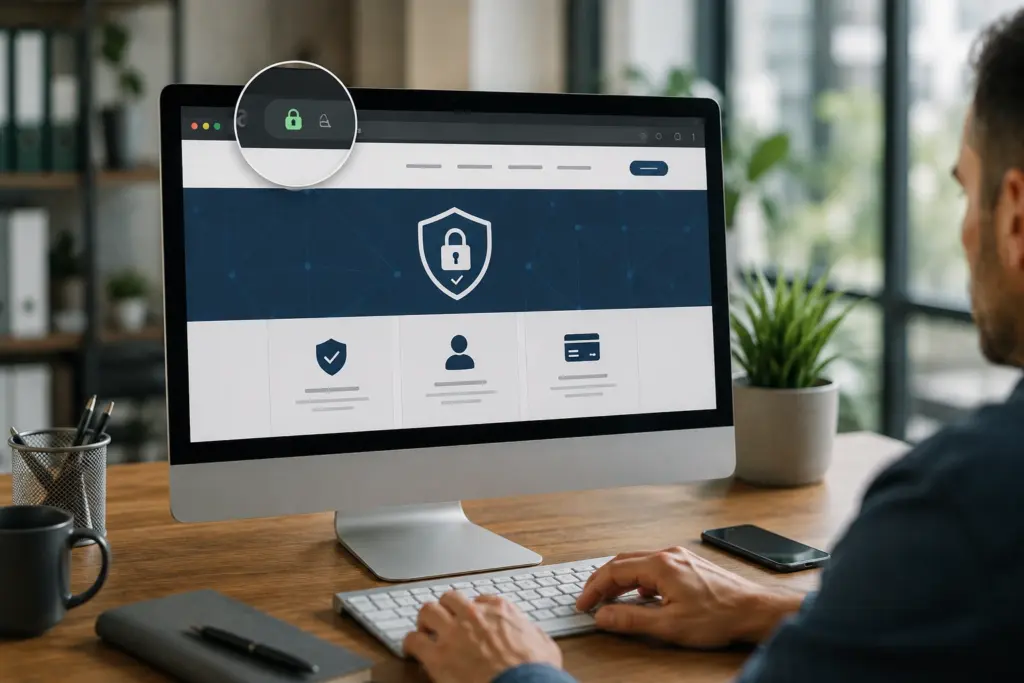
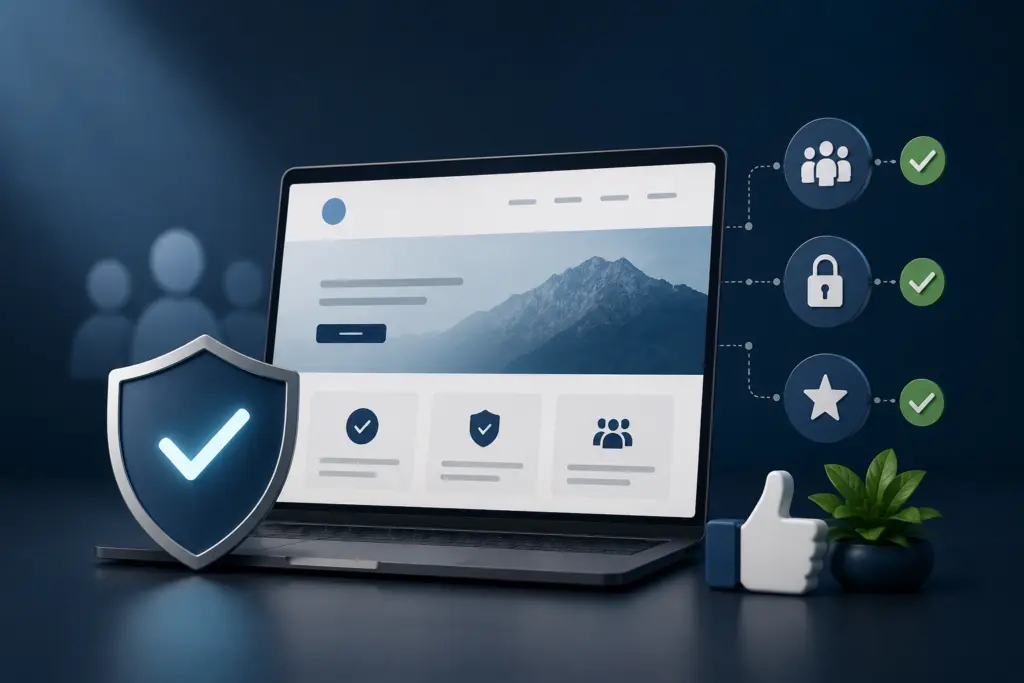
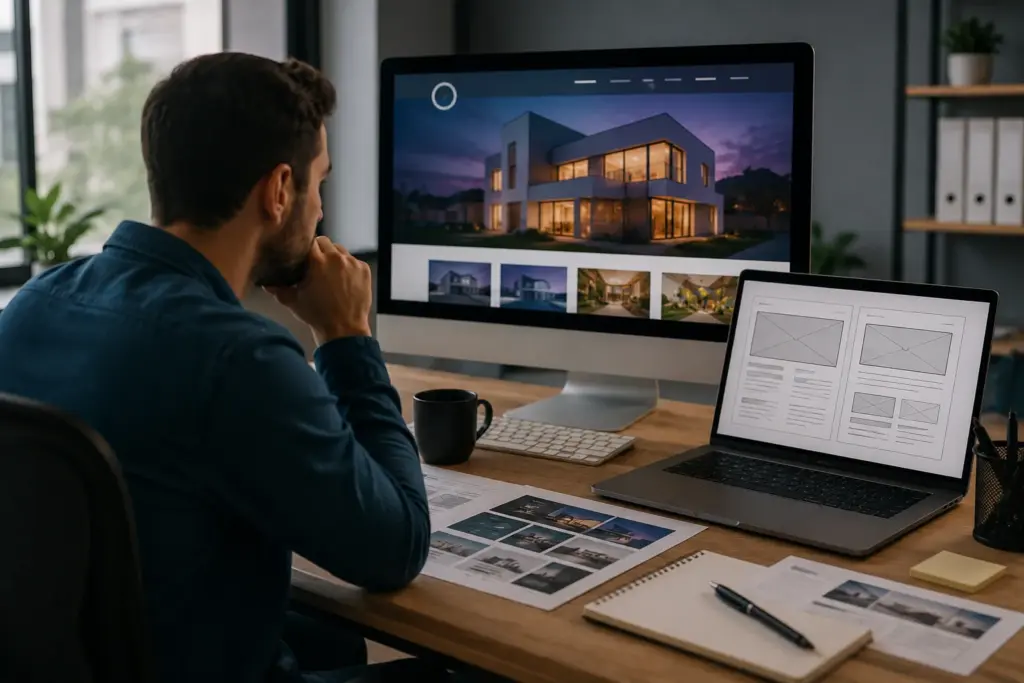
Ever wondered why some websites feel trustworthy within seconds, while others don’t? Your site design, security signals, and contact details are what build trust before you say a word.
Having worked with small businesses across Connecticut, we’ve reviewed hundreds of pages that weren’t converting. In almost every case, the site didn’t have at least one of these three trust signals. Let’s have a look:
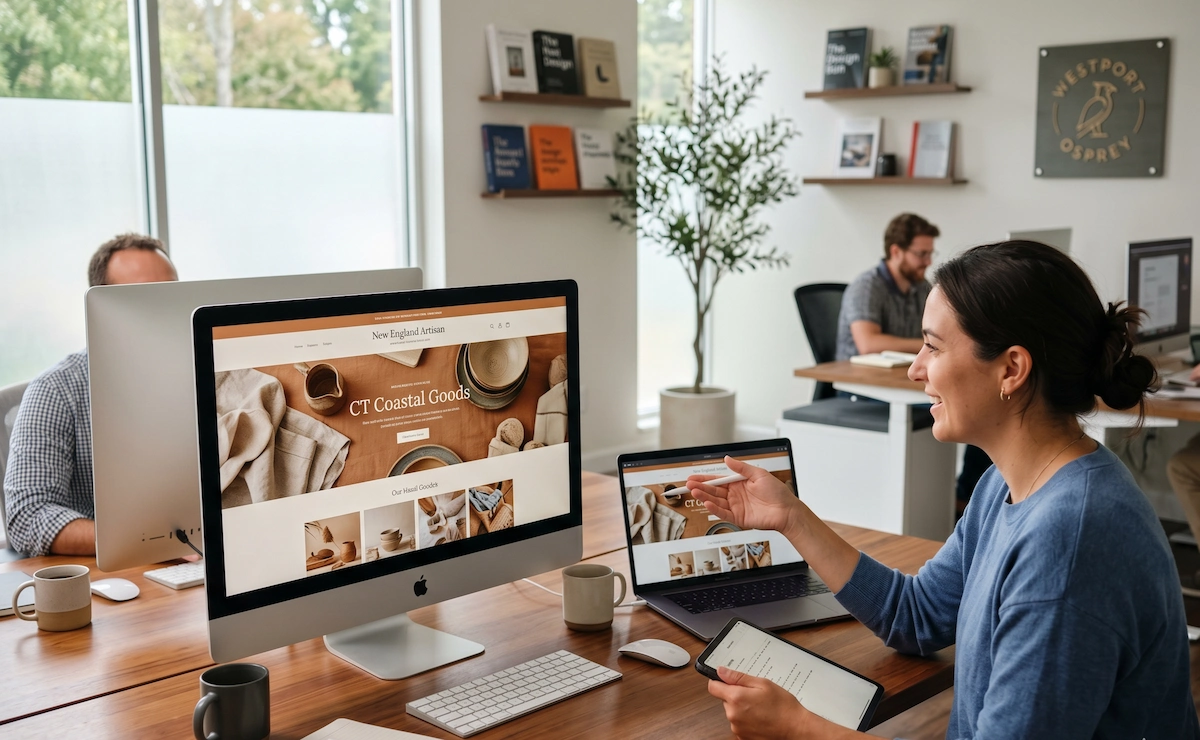
- Professional Site Design: Cluttered pages, mismatched fonts, and low-quality images all send the wrong message. A study published in the National Institutes of Health found that nearly 75% of people judge a website’s credibility based on how it looks visually.
- Security Seals and HTTPS: A valid SSL certificate and security seals tell users their data is secure on your site. And honestly, if you’ve ever hesitated to enter your card details on an unfamiliar site, you already know how powerful that padlock icon really is.
- Visible Contact Information: Nothing tells potential customers there’s a real team behind your site quite like visible contact details. People reach out more readily when they know a real team is just a phone call away. Without a number, even the most polished site can feel like it’s hiding something.
Think about your last three competitors you lost a lead to. Chances are, their site had all three of these signals, and yours didn’t.
Small Business Website Mistakes That Send Visitors Running
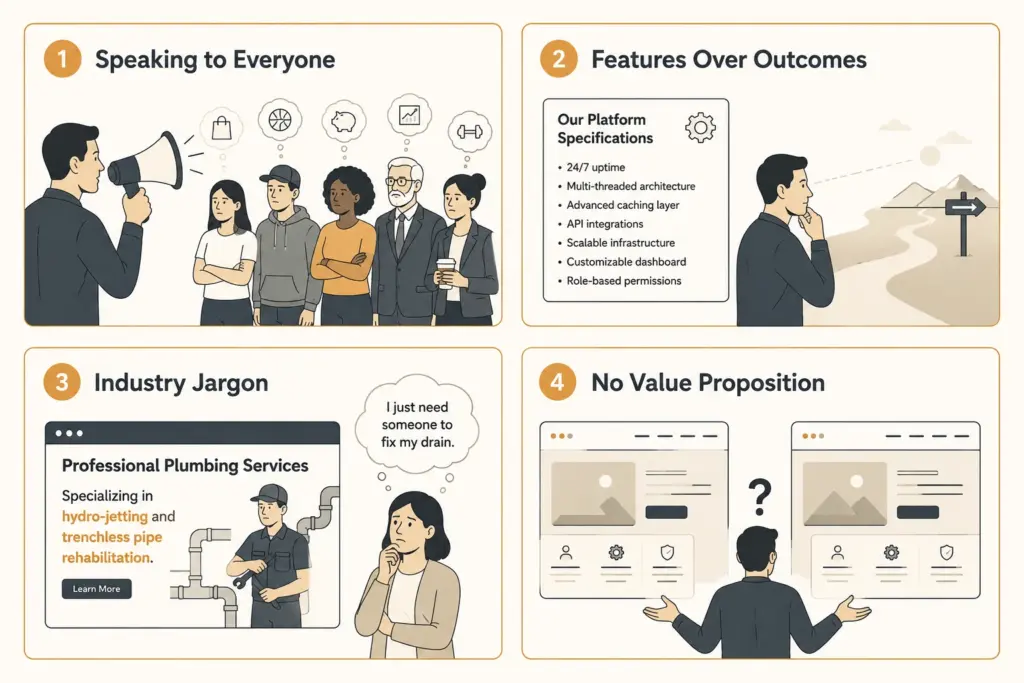
Poor site design costs small businesses real leads every single day. In most cases, it’s the same four mistakes over and over. Slow load times, missing security seals, poor mobile design, and too many options on one page appear on almost every site we audit.
The table below breaks down each one in detail:
Mistake | What It Signals to Visitors | Impact on Your Site |
Slow load time | Your business isn’t professional | Higher bounce rate |
Too many options on one page | Confusion and overwhelm | Visitors leave without converting |
No security certificate | Your site isn’t safe | Customers lose trust and data security |
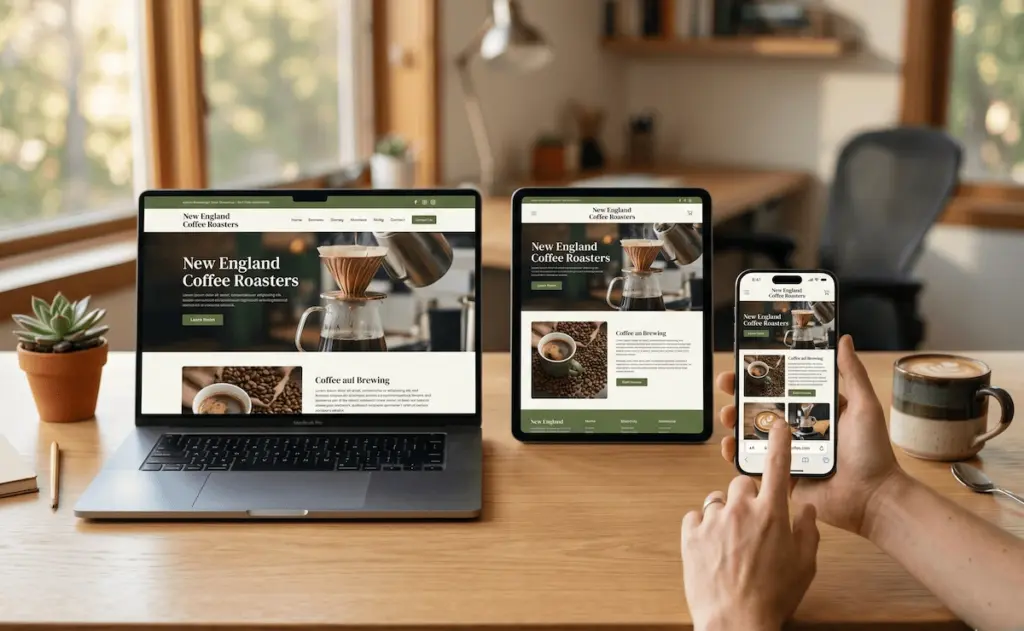
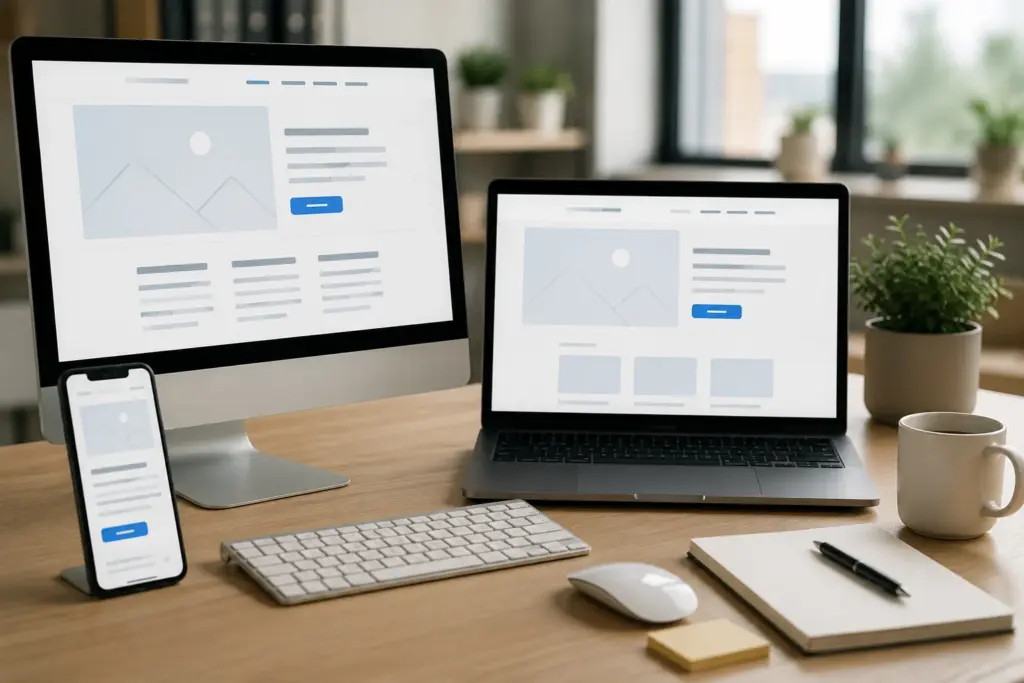
Poor mobile site design | You don’t value user experience | Lost mobile traffic |
These four mistakes are costing you leads right now. We recommend addressing each one on your own website before spending another dollar on marketing tools or efforts to drive traffic.
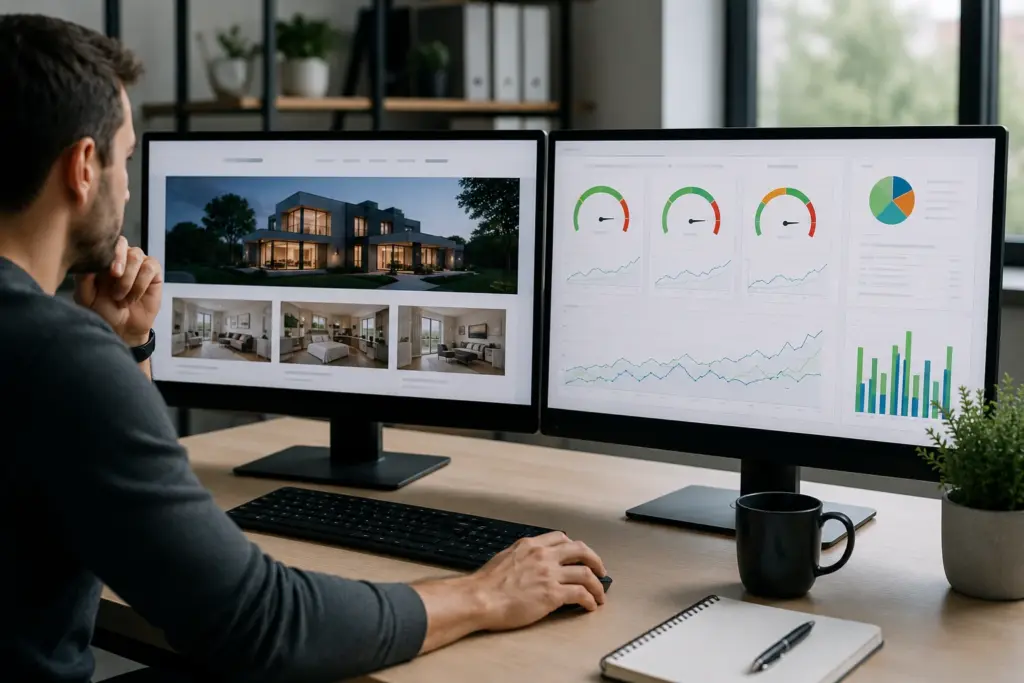
After all, better site design means lower bounce rates, longer visits, and stronger search results.
How Your Perfect Domain, Branding, and Social Media Pull It All Together
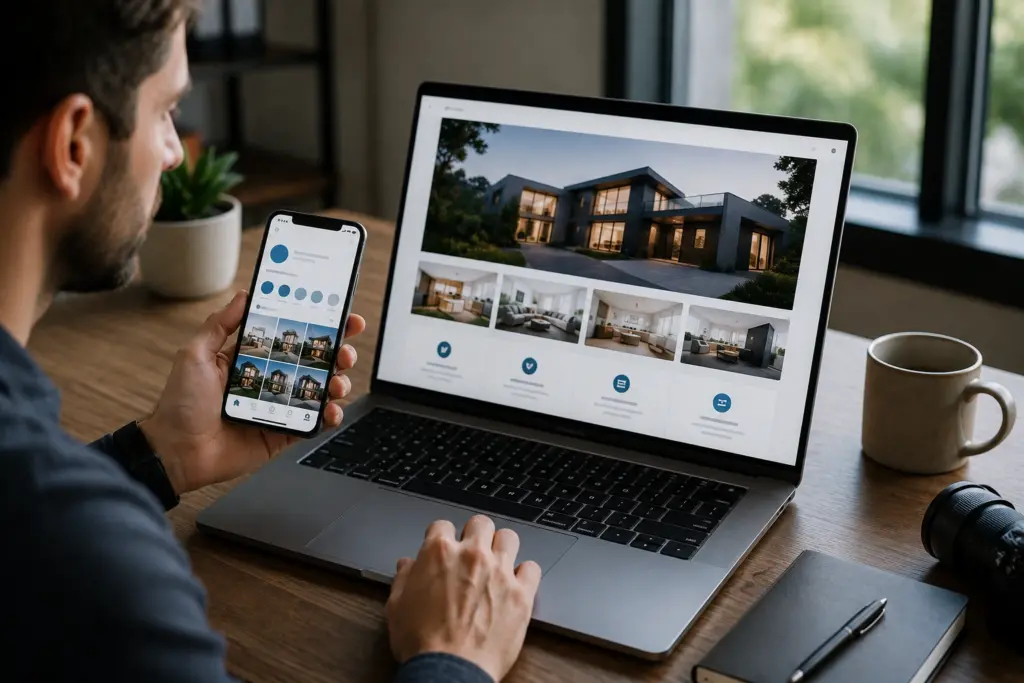
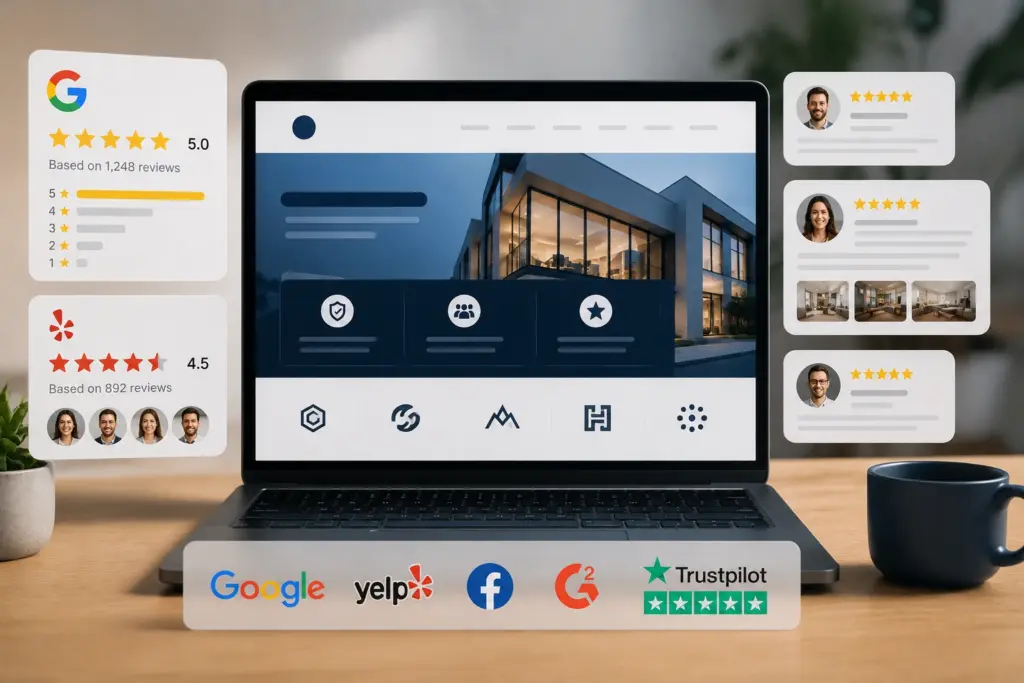
A custom domain, consistent branding, and active social media profiles reinforce trust by giving your business a consistent, professional presence across every channel. And here’s something most people miss. Visitors check all of them before reaching out about your services.
A perfect domain name tells users your business is established and credible. Free or generic domains send the opposite message. Your domain is just the starting point, though. Consistent branding across your site, social media profiles, and email marketing builds familiarity with your audience.
We’ve seen Connecticut businesses lose leads simply because their domain looked untrustworthy. For example, one of our clients switched to a clean custom domain, and their phone started ringing more within the first month.
That’s the power of turning your business website into a central hub that works for you around the clock.
You Only Get One Shot at a First Impression Online
Your website makes a first impression the moment someone lands on your page. Every color, layout choice, and trust signal sends a message, and good web design makes sure it works in your favor. Either way, it directly affects how long visitors stay and how many of them convert.
To make sure nothing gets missed, we covered web design psychology, trust signals, common site mistakes, and how your domain and branding work together. Fortunately, every single one of these issues is fixable.
That’s why the team at Westport Osprey works with Connecticut businesses every day to build websites that earn trust. Our experts will audit your site and put a clear plan together for you. Reach out today, and we’ll walk you through every step.