
How Custom Web Design Supports Long-Term Business Growth
Stuck with a website that can’t keep up as your small business grows? Let’s be real here. Most companies start with basic sites that work fine at first, but things get messy when you need to add features or scale up.
This guide shows how custom web design benefits support growth as your company changes and expands. You’ll learn why tailored sites adapt better than templates when your business goals shift or grow.
Connecticut small businesses have used scalable web design to build their online presence without starting over every few years. If you want similar results, keep reading.
What Are the Benefits of Custom Web Design for Growing Companies?
Custom web design benefits give you a website that adapts as your company grows, rather than holding it back. Here’s what’s interesting. Most template-based websites work fine at first, but they start causing problems when your business needs change. A custom website gives you room to grow without hitting walls every few months.
Let’s talk about what actually makes custom sites different.
Room to grow when you need it

When your business expands, you can add new features without rebuilding everything. Need a booking system next month? No problem. Want to add a customer portal later? That works too. Template-based website platforms make you squeeze into their preset layouts (it’s more common than you think). Custom web design lets you build what your target audience actually needs instead of settling for what a template allows.
Your brand shows up everywhere
The user interface matches your actual brand identity, not some generic theme. High-quality images, custom layouts, and specific color choices all work together to show website visitors who you really are. Plus, the site reflects how your customers think and behave instead of forcing them through navigation that made sense to a template designer somewhere.
Speed matters more than you realize
Template-based sites come loaded with code for features you’ll never touch. All that extra weight slows your site down. A custom website only carries what you actually use, which means faster load times. Search engines notice this and rank faster sites higher. So your web design becomes something that actually brings in business instead of just existing online.
The difference adds up over time when you’re trying to stand out from competitors using the same tired templates.
Why Search Engines Favor Custom Websites Over Templates
Over half of mobile users leave a site if it takes more than three seconds to load. That’s a huge chunk of potential customers gone before they even see what you offer. Search engines notice this behavior and adjust search engine rankings based on website performance.
Think about it this way. When you build a custom website, you eliminate bloated template code that slows everything down. Templates carry features for image sliders and page builders that most businesses never touch. All that extra weight creates slow loading times (and the damage adds up fast) when search engines decide where you rank in search results.
Custom web design gives you control over technical elements that matter for search engine optimization. You can structure URLs properly, add schema markup, and optimize performance from scratch. Mobile devices get layouts built specifically for mobile phones instead of generic responsive templates that just shrink desktop designs.
Search engines also penalize duplicate content. Thousands of websites use identical templates with similar structures. A custom site avoids this completely by creating unique layouts and code. When you handle technical issues right from the start, organic traffic increases because search engines hit the nail on the head, recognizing quality sites.
How Custom Website Development Adapts to Your Business Goals
The best part about custom website development is that you’re never stuck with features you’ve outgrown. From what we’ve seen across dozens of Connecticut projects, businesses hit a point where their site either grows with them or holds them back. Building a professional website gives you control instead of leaving it up to whatever your template allows.
Flexible Features That Scale With Your Online Presence

When your business goals shift, you can add new product lines or booking systems without switching platforms. Custom website development means integrations work smoothly with the tools you already use. Think CRM software, email marketing platforms, and analytics dashboards.
Third-party tools connect without creating conflicts or breaking your site. Your online presence grows alongside your team and customer base. When push comes to shove, and you need changes fast, custom web design delivers. Future growth doesn’t mean starting over every few years.
Better Control Over User Experience and Conversion Rates
This is where most people go wrong with template sites. When you design forms and checkout flows based on how your actual customers behave, conversion rates improve naturally. You can test different layouts and track what works without plugin conflicts slowing you down.
Want to adjust page elements to reduce friction? Done. Need to guide potential customers toward specific actions? Easy. Custom website development gives you that level of control over the user experience.
Custom Website Solutions for E-Commerce Growth
E-commerce sites need checkout experiences that match your brand and reduce cart abandonment. Template options force generic payment flows that confuse customers. Custom sites let you build product pages with filters, comparison tools, and recommendations based on real customer data.
As sales volume increases, your site handles inventory management without crashing. Website performance stays consistent even during busy seasons, keeping your online presence strong when it matters most.
Custom Design Solves Pain Points That Templates Can’t Fix
Templates create more problems than they solve when your business needs start getting specific. And here’s the thing. Most companies don’t realize their template-based website is causing pain points until they’ve lost customers. Let’s look at what custom web design actually fixes.
- Rigid layouts force bad compromises: Template-based platforms make you squeeze content into preset structures. When you need custom forms or specific checkout flows, templates force you into cutting corners. A custom site builds exactly what works without sacrificing user experience.
- Generic features ignore your requirements: You can address compliance rules, accessibility standards, and specialized functionality that template-based website builders don’t offer. Healthcare needs HIPAA compliance. Legal firms need secure portals. Templates treat every business the same, creating a poor user experience.
- Confusing navigation kills engagement: In our experience with Westport businesses, bad navigation hurts average time on site more than anything else. Custom web design organizes content around how your customers actually search. A strategic redesign creates intuitive paths based on real behavior.
- Mobile layouts disappoint users: Template-based websites just shrink desktop designs for mobile phones. Custom development optimizes for actual device usage with thumb-friendly buttons and properly sized images. Getting your current site rebuilt with mobile-first thinking changes how people interact with your brand.
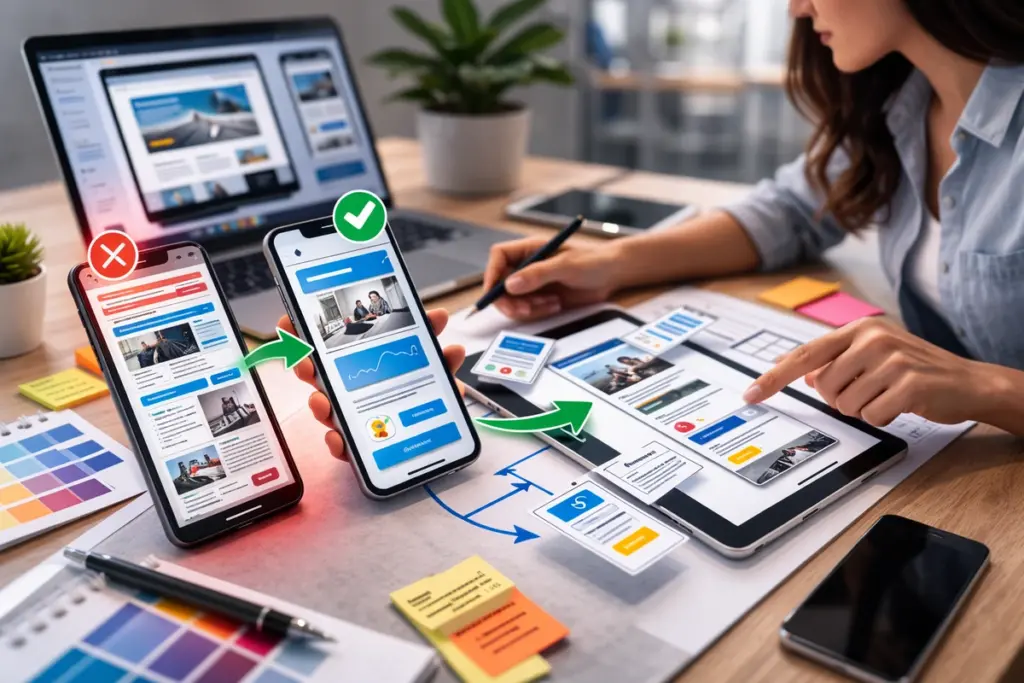
When a web designer and web developer collaborate on a redesign strategy, everyone gets on the same page about solving real pain points.
Does Custom Web Design Really Improve Average Time on Site?
Ever land on a website and leave within seconds because nothing made sense? (We’ve all been there). You might be thinking design doesn’t affect how long website visitors stick around, but the data says otherwise.
| Template Sites | Custom Web Design |
| Generic navigation confuses visitors | Tailored user experience guides the customer journey naturally |
| Standard layouts ignore user behavior | Interactive elements and visual elements are placed based on research |
| One-size-fits-all structure | Seamless user experience built around actual needs |
| Higher bounce rates | Website visitors stay on site longer |
A well-designed website guides people naturally instead of making them hunt around. When visual elements work together to stay visually appealing without cramming everything in, average time on site improves. Custom sites balance information with breathing room and put content where visitors expect it.
Website redesign clears out technical problems causing quick exits. Faster pages create better first impressions. Simple navigation cuts frustration. When you nail the user experience through web design, conversion rates climb because people stick around long enough to increase conversions.
Ready to Build a Custom Website That Grows With You?
Custom web design benefits add up over time as your business changes and market demands shift. Bottom line? Investing in custom website development now saves money on workarounds, migrations, and lost opportunities later.
Template sites might seem cheaper upfront, but they cost small businesses more when growth stalls. A strong online presence built around your actual business goals gives you room to expand without constant rebuilds.
Westport Osprey Website Design creates custom websites for Connecticut small businesses ready to scale smartly. When you’re planning for future growth instead of quick fixes, contact us today to discuss building a site that actually supports your vision.